


|
Getting your Trinity Audio player ready...
|
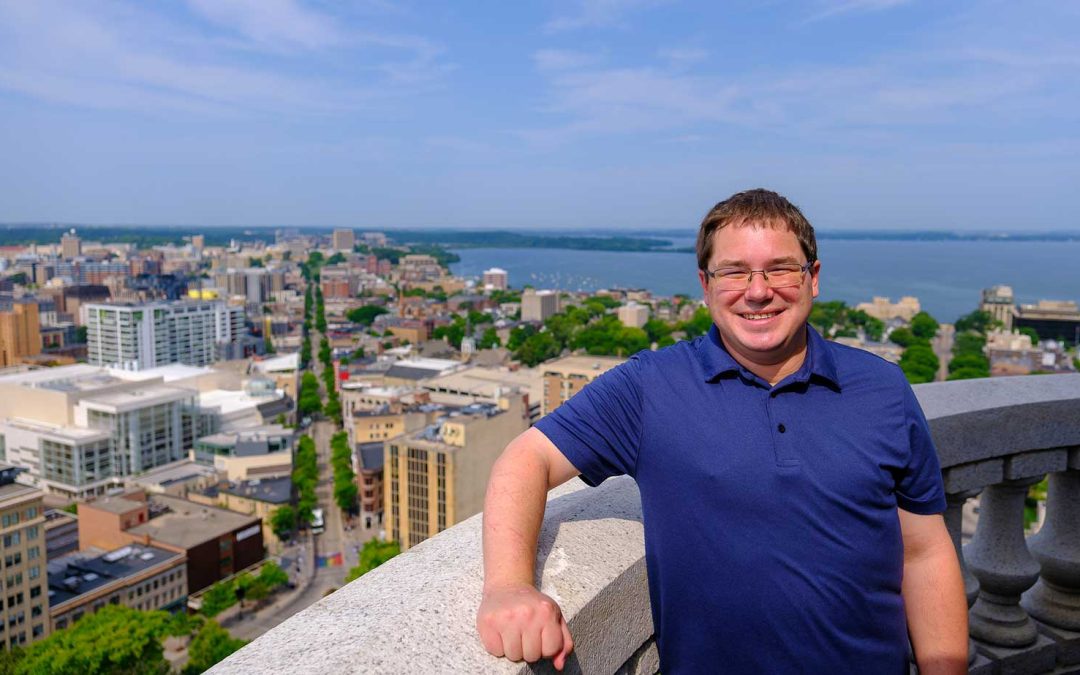
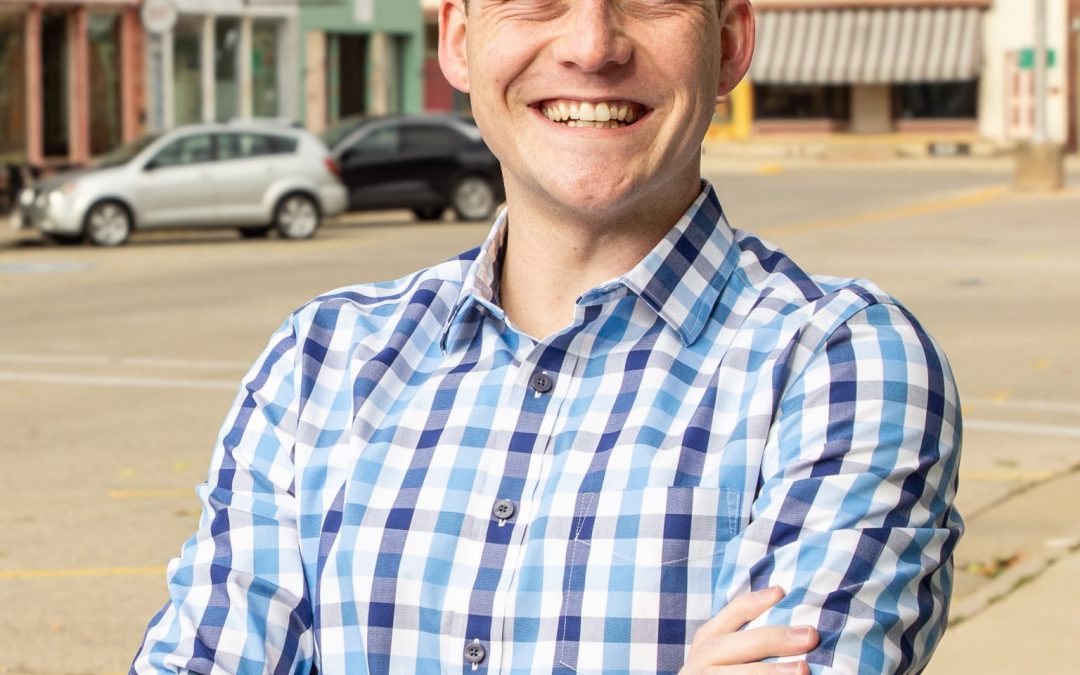
The eyes are the windows to the soul, and Tarl Knight’s are big, hazel, and on the prize. His are the eager eyes of someone who is hungry to make an impact on the world. You can see it in his direct gaze, which reflects the amber light of the art deco table lamps in the historic Tarlton Theatre, where nearly a hundred years of entertainment history now shares the stage with Green Bay’s cultural avant-garde.
Take, for example, the theater itself: The century-old building was once slated for demolition. Mark Mariucci, who previously owned The Historic West Theatre, was considering another attempt to save it, but needed someone with fresh ideas about how to activate the venue. Serendipitously, Knight connected with Mariucci after Knight played a music gig at Green Bay’s Pride celebration. The two formed a business partnership that ultimately safeguarded the historic building.
Mariucci’s experience in providing spaces for the LGBTQ+ community through film, dance, and other artistic mediums struck Knight as the perfect skillset to help him manifest his vision for a performing arts venue. Knight explains, “The age difference helps us to balance experience with new creative risk-taking. We balance each other out and are supportive of each other’s goals with this creative project.”


Namesake
Not many emerging musicians get to see their name up in lights on a theater marquee, but Mariucci insisted that the theater be named after his business partner, the then 23-year-old singer songwriter, because “Tarlton” has the perfect art deco ring to it. “He took a big risk,” Knight acknowledges. “I think he saw that I had a lot of drive. We got to talking, and by the time we really sat down, had dinner, and discussed the decision, we were both invested.” The two men opened The Tarlton Theatre on December 15, 2018. Along with their creative team, they have since turned the space into a popular, eclectic cultural destination.
As the namesake of the building, Tarl Knight, who is now 29, is not only a multi-platform artist, but also what Our Lives publisher Patrick Farabaugh has dubbed a “cultural revitalist.” Knight’s passion for art, historic preservation, community building, volunteerism, and representative democracy has helped breathe new life into one of Green Bay’s most storied venues and into the city’s cultural landscape as a whole.
Knight’s commitment to historic preservation goes beyond simply maintaining the building’s functionality. Partnering with Mariucci, he formed the Historic West Fund, a 501(c)3 nonprofit organization dedicated to preserving and restoring the theater’s Art Deco elements and historical architecture. Through their nonprofit’s efforts, they intend to restore the marquee to its former glory.
Early Influences
Knight’s journey to becoming one of Green Bay’s most prominent cultural leaders began when he was only 13. As an aspiring singer-songwriter in Sturgeon Bay, he became involved in a songwriting festival created by musician Pat MacDonald, of Timbuk 3 fame. MacDonald started the festival to help save the historic Door County Steel Bridge from demolition. At the Steel Bridge Songfest, MacDonald and others wrote and performed songs about preserving the Steel Bridge, recorded them at MacDonald’s Holiday Music Motel, and released a CD about the iconic bridge to raise funds and further the cause. This early experience with the Steel Bridge Songfest proved transformative for Knight, who was involved with the effort throughout his teens. Through that experience, Knight performed before Sturgeon Bay’s City Council, an experience that opened his eyes to the powerful intersection of arts, culture, and community building.
Knight’s mother is Pamela Gantz, a former small business owner and entrepreneur who currently serves on the Common Council in De Pere, a municipality just south of Green Bay. Knight credits her with his ambitions and success. “A lot of who I am is who she is because she is my mother,” he said. She is, “A go-to-the-end-of-the-world type of mother.” Knight’s mother supported him through everything, including childhood bullying, which he attributes to his “way of speaking” and the fact that he is “a creative guy,” as well as a frightening experience he had when he was 16 and lost his vision for over half a year.
His mom “bent over backwards” seeking free and affordable opportunities for him. She recognized his passion for art and music and cultivated his talents. “She did everything she possibly could to expose me to art and music,” he said. That included arranging piano and guitar lessons for him, though he acknowledges he didn’t last long with any one teacher. She also tried many schools to find the right fit for him. At one point, he attended Renaissance School for the Arts in Appleton. Eventually, she even sold an heirloom baby grand piano to fund his musical education at Interlochen Arts Academy in Michigan, where he further honed his craft in the fall of 2013. After finishing high school, he then spent time traveling to play music around the Midwest.
These formative experiences shaped Knight’s identity as both an artist and an activist. When he eventually made his way to Green Bay, he carried with him a deep understanding of how cultural programming could serve as a catalyst for preserving historical architecture and fostering community connection. When his path led him to the Tarlton Theatre—his “first and only real job,” he jokes—his eyes opened to the opportunity and responsibility to grant people like his younger self access to perform on a stage before an audience.
A Building with a History—and a Broader Purpose
The building that The Tarlton Theatre occupies has survived numerous incarnations since its construction in 1925. Originally built as an automotive dealership, it became a cinema in 1941. Its name changed often over the next 64 years, but the word “West” was on the Marquee until 2005, when the building was purchased by Green Bay Packer Nick Barnett, who turned it into the short-lived nightclub, the FiveSix Ultra Lounge. Next, it was home to the Funky Monkey, but when that business closed, the historic venue awaited an uncertain fate. According to Mariucci, the City of Green Bay had plans to raze the building to put up a parking structure. For Knight and Mariucci, the building represented more than just another business opportunity. They recognized that the location had a long and nostalgic history with the people of Green Bay.
What began as a straightforward live music venue quickly evolved into something more ambitious and inclusive. Knight and Mariucci initially focused on hosting bands and songwriters in a live music venue in the heart of downtown. But within a year of operations, they realized their space could serve a broader purpose. This revelation led them to shifting their mission “to accommodate all local, original creators, performers, and community organizations looking for a home on our stage and screen.”
The 10,000-square-foot space, with its ornate ceiling, curved walls, booth seating, and movie screen, provides an appealing cabaret club venue where guests can enjoy dinner, drinks, and a variety of cultural experiences. The Tarlton Theatre’s programming team includes Kylie LaCombe who serves as their program and booking manager and who graduated with an arts management degree from UW-Stevens Point. Knight and Mariucci credit her with much of the venue’s programming success. She shares a guiding philosophy about the role of arts venues in building inclusive communities.
Tarlton Events & Programming
Their team is willing to partner with local nonprofits who wish to bring their programming to downtown Green Bay. For example, UW-Green Bay’s Weidner Center for the Performing Arts presents The Weidner Downtown at the Tarlton series there, and the Green Bay Film Festival presents independent film projects at The Tarlton Theatre throughout the year—a large number of which are created by local and Wisconsin-based filmmakers. The Green Bay Jazz Orchestra also performs free classic jazz concerts on The Tarlton Theatre’s stage throughout the year
The Tarlton Theatre has become a hub for events Knight wanted to help make happen that were previously less accessible to Green Bay and Northeast Wisconsin-area audiences. The regional draw speaks to the success of Knight’s vision. Programming, like their signature quarterly “ArtWar” live painting competitions, features 360-degree viewing of local painters participating in speed painting rounds, and exemplifies the kind of unique cultural experiences that The Tarlton Theatre has made possible. The venue also hosts The Bay Area Music Awards, also known as “The BAMMY Awards,” or just “The BAMMY’s,” providing sound systems, stages, audiences, and recognition for hundreds of local bands.
The team is open to any quirky idea they think will float. They host classic films, burlesque shows, drag shows, comedy shows, theatrical performances, and festivals such as the Annual Green Bay Fringe Festival. They even host a Saturday Morning Cartoon Brunch, where guests can watch their favorite cartoons with a breakfast Old-Fashioned or bottomless coffee.
Their project has faced challenges, including opening their doors just a couple of years before the Covid-19 pandemic dramatically altered the entertainment industry. Despite the obstacles, Knight sees clear evidence that his vision and willingness to experiment is working. When asked if The Tarlton hosts the Moth StorySLAM storytelling event, Knight was quick to quip that they don’t yet, but they probably will be going forward.
Community Building Beyond the Theater
Outside their building, the Tarlton Theatre recently opened The Truck Yard At The Tarlton, or simply “The Truck Yard,” a food truck park adjacent to the theater. There, they host Wednesdays On Walnut, which features free local outdoor music with rotating food trucks. Thursdays bring “In The Yard” concerts in partnership with Ahnapee Brewery and von Stiehl Winery. “Flea Market Fridays” showcase vintage and handcrafted markets with live music.
Success at The Tarlton and its food truck park has led Knight and Mariucci to expand their cultural programming beyond the theater. Recognizing demand from local musicians seeking performance space, the business partners recently opened At The Tracks, a new music venue in Green Bay’s developing Shipyard District. The new venue, housed in the former Rockabilly’s Saloon, is designed to serve local rock, punk, and metal bands, among other musical styles, that complement, rather than compete with, The Tarlton Theatre’s diverse programming.
These ventures reflect Knight’s holistic approach to community building, recognizing that cultural vitality depends on creating clusters of complementary businesses and experiences that encourage people to spend time in downtown areas. That philosophy may be the reason Knight volunteers as the director of Shipyard District, Inc., an organization whose mission is “to revitalize the commercial, residential, and industrial corridor along the Fox River and improve the quality of life for all in our neighborhood district.” Shipyard District, Inc. presents All Bands On Deck, Green Bay’s largest music festival and has facilitated murals throughout the district.
Knight’s entrepreneurial vision extends into other aspects of community development as well. He is chair of Green Bay Neighborhoods, a governmental body that consists of the presidents of recognized neighborhood associations, the mayor, staff, and various community leaders. Their role is to provide a link between neighborhoods and local government to improve quality of life by empowering citizens working through their neighborhood associations. Because Knight believes so strongly that everyone deserves access to arts, culture, and community, this summer The Tarlton Theatre and Green Bay Neighborhoods partnered with the City to start Grooves on the Green, a summer concert series that brings free live music to neighborhood parks across Green Bay.
Progressive Artist Candidate
Knight has also entered the political arena. He has twice run for and lost elections for a seat on Green Bay’s Common Council. In his first campaign for District 9 in 2022, he lost by under 140 votes. In his second run for the very popular downtown district, in 2024, he lost by just 65 votes. When asked if he would run again, he does not hesitate, “I’m the kind of guy who is never going to stop until I can make it happen.”
He doesn’t represent any big interests; he’s “neighborhood friendly” and is concerned about balancing development with affordable housing, which to him includes addressing issues and services that will help people who are houseless, an issue that impacts the district in which he both lives and works.
He would also like to address the “gargantuan coal piles, which occupy huge areas of the riverfront” and cause, in Knight’s opinion, “disuse of the riverway, and prevent people’s enjoyment of waterfront property.” He believes that providing riverfront access, remediating the land, water, and air in the district, and attracting mixed-use, downtown-style development is a priority. He thinks that it is important to do all that while acknowledging the cultural legacy of shipping, paper manufacturing, and the steel industry in the district.
He identifies as a progressive artist candidate. “As young people, who haven’t even reached our thirties yet, we still deserve to have a voice.” He added, “There are a lot of unrepresented people in their teens, twenties, and thirties when you look at different governmental bodies, especially in Northeast Wisconsin. There are a lot of older folks. I love the wisdom that older generations bring to the table, but new creative identities and solutions need to be represented, too.”
Creativity in Many Forms
Originally, music and painting were Knight’s primary artistic outlets, but when asked if he still has time to make music or paint, he admits that he does not have much free time these days, though sometimes he opens for a band that is performing at one of his venues. He says he has been working on his album for the last 10 years, but he is satisfied with his current creative pursuits. He has a multitude of platforms and creative tools at his disposal. Instead of focusing solely on making songs or paintings, he creates experiences that engage people with the larger human condition, exploring a range of emotions, challenges, and aspirations that define what it means to be alive.
Knight is a proud full-time volunteer in all of his positions, including serving as Director of Shipyard District, Inc., Chairman of Green Bay Neighborhoods, and Owner/Creative Director of The Tarlton Theatre and their family of venues. He would love others to notice and appreciate the value of volunteering in their communities as much as possible, regardless of compensation, stating that, “Our community is our own, and it’s ours to create!”
Young Entrepreneur of the Year
Earlier this year, Knight was recognized by Current Young Professionals and the Greater Green Bay Chamber as Young Entrepreneur of the Year. His responsiveness to community needs has been a defining characteristic of Knight’s approach, from his teenage activism in Door County to his current role as one of Green Bay’s most visible creative business owners and aspiring politicians. His willingness to take risks on untested programming, and his commitment to accessibility reflect a deep belief in the power of arts and culture to transform communities.
In an era when many small cities struggle to maintain vibrant downtown cultural scenes, Tarl Knight’s work in Green Bay offers a compelling model. By combining historic preservation with inclusive programming, accessibility with artistic ambition, and business acumen with community responsiveness, Knight and his partners have created something rare: a cultural institution that serves both as a guardian of the past and a catalyst for the future.




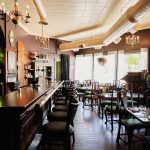



The Tarlton is a beautiful theatre! I grew up attending Saturday matinees at the West and it has never looked better.