



|
Getting your Trinity Audio player ready...
|
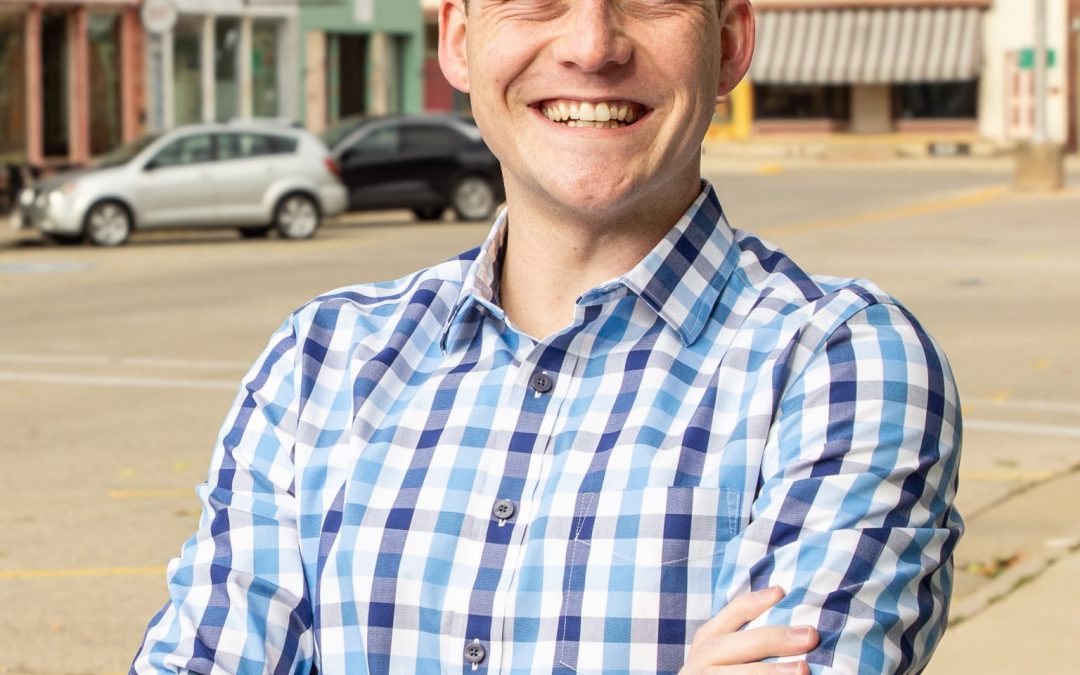
As Kimberly Akimbo prepares to play Madison at the Overture Center, Our Lives spoke with cast member Max Santopietro (he/him) about queerness on tour, reading the room, and how papier-mâché masks connect to life onstage.
You make papier-mâché masks in your free time. Do you ever think about masks as hiding or revealing when you’re onstage?
I love that question. Every character you play is a kind of mask. There’s a character that exists on paper that you’re trying to embody, and often you don’t have much say in who that person is. But that can be revealing, too. When you step into a role, you give something to the mask, and the mask gives something back. You learn things about yourself. That exchange is one of the most exciting parts of acting. It’s similar to crafting masks at home — each one becomes a completely different character.




Kimberly Akimbo is full of people figuring out how much of themselves to show, often hiding behind metaphorical masks. Did working on the show change how you think about openness?
Yes, it really did. All of these characters are so different, and they’re all morally complicated. You root for them, but they all have flaws. There isn’t a clear villain or someone you can reduce to a single judgment. That kind of storytelling encourages openness. It reminds you that people are fluid and layered. You can’t just decide, “This is who this person is,” and stop there.
Touring puts you in front of very different audiences. As a queer performer, are there places where you feel more seen — or more masked and guarded?
I grew up in the Northeast and went to school in Los Angeles, so I didn’t have much experience with other parts of the country before this tour. I had some preconceived notions, especially about being queer in certain regions. But honestly, the show has been met with a lot of love and acceptance. Theater audiences tend to be open and excited to see something new. Since our show includes queer characters and themes, it’s interesting to watch reactions, but overall I’ve been really impressed and grateful for how positive the response has been.
Many queer people get very good at reading a room. Is that something you notice yourself doing onstage?
Definitely. That’s something I love about theater, but it can be a double-edged sword. You can feel all the nuances in the room, especially with a show like ours that has some risqué jokes and language. You can tell when certain audiences don’t laugh at the profanity or queer humor. Queer people are very attuned to the question, “Is this space safe?” But theater, in general, still feels like a safe place to be.
You perform the same show night after night. How do you stay honest in your performance without feeling overexposed?
I’m still figuring that out. Doing eight shows a week definitely affects you emotionally and creatively. But this cast and crew are so supportive. I feel like I can rely on them when I’m feeling vulnerable or worn down. We really take care of each other, and that makes a huge difference. I know that kind of company dynamic isn’t guaranteed, so I feel very lucky.
We also spotted you in Dexter: Original Sin.
Yes, I was in an episode. I played the new boyfriend of a character who had just broken up with Dexter’s son. It was a fun experience.
Full of horror?
Absolutely. I love horror, and queer people and horror just go together.















0 Comments