


|
Getting your Trinity Audio player ready...
|
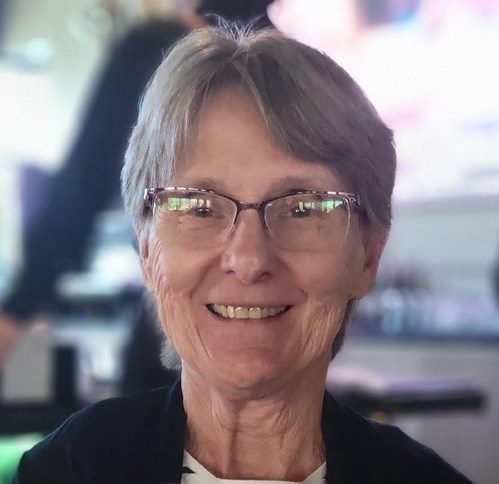
Kat McMullin is the real deal. Where many white, progressive women set out to make a difference in the world, Kat has done the thing.
“From day one, our mission has centered yoga as a form of social justice—not just a practice on the mat, but a way to build equity, community, and healing in the world,” she said. “How we do it in the studio is how we do it outside of the studio: We’ve never said no to a fundraiser or donation opportunity, including a long relationship with ReachDane, participating in backpack fundraisers and supplies for refugees.” For her, it’s all a part of her “seva” or selfless service.
Mala’s Beginnings
“The vision of Mala Yoga Center sets a shared intention to come together to learn, practice, heal, and honor the traditions of yoga as they have spread into the world from their origins in India. This vision creates a living, breathing mala: Each student, a bead—our shared intention, the string that unites us.” (From the Mala Yoga website.)
McMullin founded Mala Yoga Center in 2016 with the intention of offering classes to people of all ages and abilities. The following year, she started Madison’s only afterschool yoga and mindfulness program for children. It continued right up until the studio’s closing.
Reckoning & Digging Deeper
Then, the pandemic and the murder of George Floyd happened.
“When disparities were more obvious during the pandemic and protests of 2020, I decided to go beyond being an ally and an advocate,” McMullin said. “Using the platform I’ve been gifted, I began to speak out and advocate for equity for underrepresented populations. That’s when I established the Allyship Fund.”



The Allyship Fund allowed access to Mala’s knowledge, resources, community, and space for QTBIPOC, LGBTQ+, and disabled communities. Additionally, McMullin began offering free weekly classes for veterans as well as yoga scholarships for people in recovery.
“I’m incredibly grateful for what this space has provided over the years. So much healing has happened here,” said McMullin. “I wanted people to know that no matter who they are—their size, their abilities, how they identify—that when they walk through these doors they can be their authentic selves and receive healing and allow them to move through the world and give to others.”
Hanan Jibril, an LGBTQ Allyship Fund recipient, said Mala had a profound and transformative impact on their health. “When I came to Mala three or four years ago, my chronic illness was out of control. I had to drop out of undergrad that semester because of it, and all of the medications and treatments my healthcare provider had offered yielded limited results,” they said. “I knew yoga could be very beneficial for fibromyalgia, so I started going to Mala a few times a month. Slowly, I began to reconnect to my body, senses, and mobility. I found a home in myself and at Mala.
“I’m not fully recovered or cured, but even with my disability, I’m better off because of Mala,” said Jibril. “I’m happier now. I understand my body and respect its limits. I’m living more than I have in years.”
Visibility as a Value
McMullin’s eye-opening experiences during the pandemic and protests of 2020 and 2021 inspired her to create more equity and access. But, she said, “It also pulled me OUT.”
In 2022, McMullin was named a Brava magazine “Woman to Watch” for her efforts to make yoga a safe, accessible space. She said, “My Brava acceptance speech was the first time I came out publicly. Coming out was terrifying, liberating, and scary.”
“I had family members saying, ‘I’m not sure if you should do that, it might be bad for business,’ ‘Don’t make Mala too gay,’ and ‘I’m not sure about all that BLM stuff….’ I was so angry at the inequality that people were experiencing in this country, I told them if I was going to lose bigots, then fine! ‘They’re not welcome here,’” McMullin said.
“But what happened is it expanded the community. It empowered allies and advocates to speak up and speak out. It created even more of a safe space for those I intended to serve,” said McMullin. “There’s a line in an old song, ‘If you ain’t feeling this, then dammit this ain’t for you.’ I actually don’t want your business if you don’t believe in human rights.”
Representation in Hiring
McMullin’s commitment to equity and access didn’t stop with Mala Yoga practitioners. She made an effort to hire instructors and other staff who also carry multiple identities. “Over the past five years,” she said, “more than 60% of our staff have identified as BIPOC, LGBTQ+, and/or disabled.”
Natalie Jacobson was a Mala afterschool program employee who believes being a queer mentor for children is important. “I’m out, and that made the children comfortable coming to me with questions and sharing what’s going on for them. My visibility matters,” she said.
Coming Out, Coming Home
McMullin’s life changed in more personal ways during this time period as well when she met the love of her life, Ziggy Odogun.
“I came to Mala when I was addicted to chaotic people, places, and habits,” said Odogun. “At Mala Yoga, I not only was accepted, but I was educated in where yoga is from and what it truly means to partake in it. As a Black, British immigrant woman who is heavily into athletics, I thought that yoga was more catered for skinny/slim, white/lighter-skinned women, because that is the propaganda I saw,” she said.
Odogun also shared that in addition to the programs and initiatives McMullin highlighted, Mala has also fundraised for the homeless, trafficked, and orphaned; started a food pantry that caters to the less fortunate, including food drives for mothers and babies; donated time and resources to local community outreach services; and even provided a home for wildlife such as fish, tortoises, reptiles, and rabbits.
Closing the Shala & Listening for What’s Next
A “shala” is a place where yoga is practiced and taught. At Mala Yoga Center, McMullin’s space and classes honored the practices and teachings of traditional yoga. “At Mala, we went deeper than asanas (poses) and learned about the traditions. Mala wasn’t about getting a workout. It was greater than that,” she said.
Though the shala closed at the end of June, McMullin plans to continue to offer yoga in some form. But, first, she plans to rest.
“Running a business is exhausting,” she said. “In a way, I’ve been burning myself to light others for years, but yoga is my life. It’s healed me time and time again. I’ll never give it up.
“After this chapter closes, I’ll be taking time to pause,” said McMullin. “When the time is right, I look forward to sharing offerings closer to my heart—whether that’s traditional Ashtanga, yoga therapy for children with special needs, yoga and ayurveda for perimenopause and beyond, or other sacred practices.”
McMullin is a special education teacher and is pursuing an LPC degree to become a provider with CCS (Community Counseling Services)—another form of social justice. She plans to integrate yoga into her therapy as well. “This next phase will unfold gently, in its own time,” she said.








Thanks for all you have done, Kat, and best wishes to you!