


|
Getting your Trinity Audio player ready...
|
As the Elder Advocate at OutReach LGBTQ+ Community Center, and an LGBTQ+ elder myself, I have had my share of concerns about how aging will impact me—especially my brain health. I’m excited to share what I have learned about brain health with members of my community. The more we learn about brain health, the more we are able to care for ourselves and each other.
In the LGBTQ+ community, we experience higher rates of Alzheimer’s disease and dementia than the cisgender heterosexual community. These conditions are not a normal part of the aging process for either LGBTQ+ or cisgender heterosexual people. However, the long-term physical and emotional damage that results from stigma, discrimination, oppression, and fear of violence that LGBTQ+ people experience as a community increases the risks of developing conditions like Alzheimer’s disease and dementia. This damage can be lessened by taking care of our bodies and by engaging with the community.
What are the differences between Alzheimer’s disease and dementia?
Dementia is a general term that refers to changes in brain connections. These changes interfere with memory, language, problem-solving, and other thinking abilities. They are not considered a normal part of the aging process. Many different conditions fit under the dementia umbrella. Each has unique risk factors and each begins in different parts of the brain and has different symptoms.
Alzheimer’s disease is one type of dementia. It is the most common cause of dementia symptoms. Alzheimer’s disease begins by killing cells in the part of the brain responsible for creating memories, and within five to 10 years, it affects other parts of the brain. This impacts a variety of thinking abilities including: Making plans and following directions; managing bank accounts and medications; preparing meals; and, eventually, self-care tasks such as brushing teeth and bathing. Alzheimer’s disease is the sixth leading cause of death in the United States; but it is not something that only impacts elders. Approximately 5% of people that have Alzheimer’s disease are under the age of 65.
Risk factors for Alzheimer’s disease and dementia can be minimized.
Having a parent or a grandparent with Alzheimer’s disease or dementia may increase your risk. Other factors such as medical conditions, alcohol and tobacco use, poor diet, and lack of exercise may also increase your risk.
Unfortunately, behaviors we have learned in order to cope with long-term trauma, discrimination, oppression, and fear of violence are the same behaviors that increase the development of conditions such as Alzheimer’s disease and dementia.
Alcohol and Tobacco Use: The negative impact of tobacco and alcohol use on heart and brain health is well documented. The human brain has millions of blood vessels that feed it the energy we need to get through our day. As a result, risks to cardiovascular health are also risks to brain health. Reducing or eliminating tobacco and alcohol use are ways to decrease these risks.
Poor Diet and Lack of Exercise: The LGBTQ+ community has higher rates of obesity and Type II Diabetes in comparison with cisgender heterosexual people. This also impacts brain health. Our brains use up to 50% of our energy when we are very engaged with something and thinking hard. This leaves our brains vulnerable to large amounts of sugar in our blood stream. Finding a healthy balance of food that makes us feel nourished and provides adequate nutrients, in addition to getting regular physical activity, can help reduce the risk of Alzheimer’s disease and dementia.
It is important to begin reversing the impact that systemic and societal oppression have had on us as a community.
How do we reduce the risk of Alzheimer’s disease and dementia?
Reducing our risk for Alzheimer’s disease and dementia involves engaging in self-care and finding commonality and community with others. When we take care of ourselves, we can also participate more fully in taking care of our community.
Self-care can also help us increase our cognitive reserve. Cognitive reserve refers to the number of connections we have between brain cells. The more connections we have, the more protected we are against the symptoms of Alzheimer’s disease and dementia. There are many ways to increase our cognitive reserves:
Stop smoking,
Moderate alcohol intake,
Exercise daily,
Maintain healthy blood sugar & cholesterol levels,
Engage in life-long learning, start a new hobby, and have novel experiences.
Alongside self-care, finding community is also a helpful step in building cognitive reserve. Engaging with different communities provides the opportunity to meet new people, which creates new connections within our lives and in our brains. In taking care of each other, we take care of ourselves. By doing so, we make the world a better, safer, more healing place for the next generation of LGBTQ+ community members.
What are some next steps?
Although challenging, finding and talking with a provider about concerns or risk factors for Alzheimer’s disease and dementia is important in understanding whether an evaluation is appropriate. As we age, many members may be increasingly concerned about having negative experiences with medical providers who are not knowledgeable in working with the LGBTQ+ community. Resources are available online and here at OutReach.
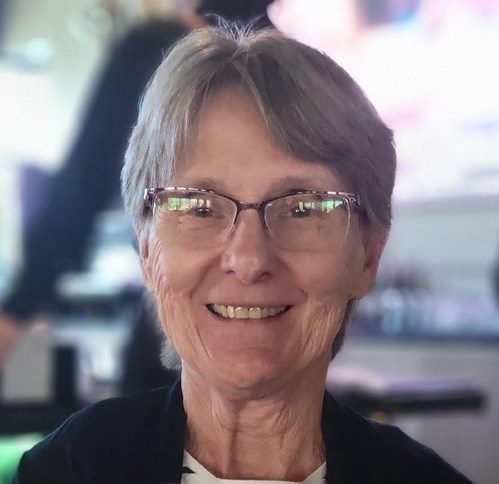
Publisher’s Note: Kristi Mason passed away after submitting this piece to us. You can read the statement released from OutReach about her passing on page 7.





















0 Comments